 By
By E-Commerce Returns Management for Efficient Reverse Logistics
For years, digital retailers treated frictionless returns as an aggressive customer acquisition tool. Generous return windows, complimentary prepaid shipping labels, and no-questions-asked refund policies were marketed as symbols of supreme brand confidence. The strategy worked brilliantly to induce first-time purchases and build online checkout habits. Yet it also quietly cultivated a consumer culture where ordering multiple sizes or colors of an item—often referred to as bracketing—became standard purchasing behavior.
Today, the bill for that convenience has come due. Forward logistics is an organized, predictable discipline: bulk freight flows outward along optimized lanes to distribution centers, where items are picked, packed, and delivered. Reverse logistics is the opposite. It is chaotic, highly decentralized, and extraordinarily expensive. Returned goods arrive unpredictably in mismatched boxes, requiring individual handling, physical inspection, and manual sorting. Left unmanaged, returns do not just eat into operating margins; they immobilize working capital and erode brand profitability.
Transforming reverse logistics from an unavoidable cost center into a resilient, value-recapturing system requires retailers to overhaul how inventory moves backward through the supply chain.
The Hidden Cost Equation of Reverse Logistics
Many retail organizations dramatically underestimate the true fully burdened cost of processing a return. Executives often focus merely on the cost of the return postage label. In reality, transportation represents only a fraction of the total financial drag.
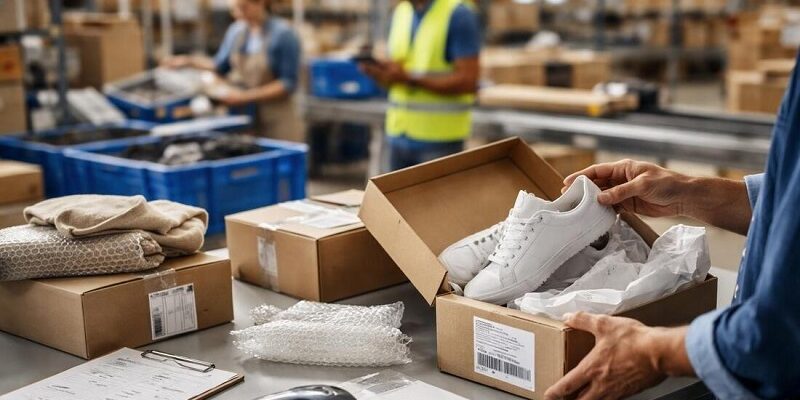
Every returned item accumulates touches. A returned package must be received at an intake dock, de-palletized, scanned, and unboxed. A trained warehouse associate must inspect the garment or device for wear, odor, missing tags, missing parts, or counterfeit substitution. If the item passes inspection, it must be retagged, folded or repackaged, and transferred back to an active forward pick location. If it requires minor refurbishing, steam pressing, or battery replacement, labor expenses climb higher.
Meanwhile, the clock is running against the item’s resale value. In seasonal industries like fast fashion, consumer electronics, and holiday home goods, every week a returned SKU sits inside an uninspected gaylord container decreases its salvage value. By the time an overcoat returned in January is finally relisted in March, the product line may already be clearing out at a forty percent discount. The primary enemy in reverse logistics is transit and dwell time.
Modernizing the Intake Pipeline Through Drop-Off Aggregation
The traditional mail-in return model—where an individual customer prints a shipping label at home, tapes it to an oversized box, and drops a single unit into the postal stream—is mathematically unviable for low-to-mid-tier average order values. Single-package parcel shipping rates completely wipe out product margins.
Forward-thinking brands are restructuring customer intake by utilizing consolidated drop-off networks. Instead of encouraging direct parcel returns, brands incentivize shoppers to bring unpackaged items to local physical drop-off hubs, partner retail locations, or branded pickup lockers.
This architectural shift yields massive operational advantages:
-
Aggregated freight volume: Third-party return partners collect unpackaged merchandise locally, bag items under standardized QR codes, and pack them into consolidated freight shipments. Transporting pallets of dense, aggregated returns via less-than-truckload (LTL) shipping slashes transportation overhead compared to point-to-point residential parcel shipments.
-
Instant customer gratification: When a drop-off clerk scans an item’s digital return code, the customer receives an immediate refund confirmation or instant store credit. This removes the days-long anxiety of tracking a return parcel, improving brand loyalty even in the middle of a transaction reversal.
-
Reduced packaging footprint: Eliminating the requirement for disposable shipping boxes and packaging filler cuts plastic and cardboard waste, aligning reverse operations with corporate sustainability mandates.
Warehouse Triage: Speed as the Primary Depreciation Shield
Once returned inventory crosses the warehouse threshold, standard operating procedures must prioritize velocity above all else. Slow, indecisive triage turns active assets into obsolete deadstock.
High-performing fulfillment operations deploy algorithmic disposition engines directly onto the receiving dock. As soon as a warehouse technician scans a returned SKU and enters its physical condition grade into an intake scanner, the software immediately dictates the item’s most profitable next step based on real-time enterprise metrics:
Immediate Primary Channel Restocking
If an item is unopened, undamaged, and belongs to an active, full-price product line currently experiencing high stockout risk, it bypasses long-term storage entirely. The item is diverted immediately to forward-staging shelves to fulfill existing backorders or outgoing daily picks.
Direct Secondary Channel Routing
If the product exhibits minor packaging damage, has been opened, or belongs to a retired product line, the system does not spend valuable labor repackaging it for primary channels. Instead, it routes the unit straight to automated clearance channels, brand-owned secondary resale platforms, or pre-negotiated third-party B2B liquidation lots. Liquidating an opened electronic gadget within forty-eight hours of receipt at sixty percent of its retail value is consistently more profitable than spending twenty dollars in labor to test and recertify it, only to sell it at an eighty percent discount six months later.
Strategic Returnless Refunds
For low-margin items where the combined cost of return shipping, inspection labor, and restocking exceeds the gross product value, modern reverse platforms trigger returnless refunds. The customer receives their money back alongside a suggestion to keep, donate, or recycle the item. While this approach requires sophisticated fraud-detection algorithms to prevent systemic abuse, it immediately protects merchants from pouring good money after bad.
Upstream Prevention: Turning Return Data into Quality Control
The most profitable return is the one that never happens. Many organizations keep reverse logistics isolated inside warehouse management systems, treating it purely as a physical material handling task. This creates a dangerous blind spot. Return data represents some of the most candid, actionable consumer feedback an enterprise can harvest.
When organizations aggregate return metadata across product categories, they uncover root-cause manufacturing and merchandising failures. If an apparel piece exhibits an eighty percent return rate attributed to fit issues, the root cause is rarely customer fickle-mindedness. It is often an inaccurate size chart, poor product photography that misrepresents fabric weight, or manufacturing drift at an overseas factory.
Feeding return reasons directly back into product development, merchandising, and photography teams creates an active preventative feedback loop. Updating a size recommendation tool, publishing user-generated fit reviews, or filming realistic 360-degree garment videos directly suppresses forward return volumes. By resolving the friction points that cause returns at the digital point of sale, brands reduce operational strain downstream before an order is even placed.
Recalibrating Consumer Incentives and Policy Design
Fixing reverse logistics does not require alienating customers with draconian, adversarial return policies. It does, however, require establishing clear, sensible guardrails that realign consumer behavior with economic reality.
Retailers are increasingly replacing flat return policies with dynamic, contextual incentives. Rather than offering unconditional refunds across all categories, brands are highlighting store credit incentives, offering free return shipping only if the customer opts for a digital exchange, or charging nominal restocking fees on high-freight categories like furniture. Providing a seamless, one-click exchange interface at the moment of return capture preserves revenue within the brand ecosystem, converting a lost sale into an active transaction.
Efficient reverse logistics is no longer an invisible operational detail tucked away in back-of-house warehouse operations. It is a defining pillar of modern commerce economics. As digital customer acquisition costs continue to climb, protecting margin on the back end is just as vital as capturing revenue on the front end. Brands that master the art of rapid intake, disciplined triage, and aggressive upstream prevention will turn their reverse supply chain into a distinct, lasting competitive advantage.
What is your reaction?
Excited
0
Happy
0
In Love
0
Not Sure
0
Silly
0