 By
By The Future of Television: How AI, Streaming, and Interactive Tech Are Redefining the Medium
Television has evolved from a passive viewing device into a dynamic, data-driven, and interactive entertainment ecosystem. The shift from traditional broadcasting to advanced digital experiences reflects how technological innovation continues to reshape both content creation and consumption. Today, AI, streaming algorithms, personalization engines, and interactive storytelling are defining what television means in the 21st century.
In this article, we’ll explore how emerging technologies are transforming television, from intelligent content curation to immersive augmented-reality broadcasts, and what this means for the industry’s future.
The Evolution Beyond Linear Broadcasting
From Cable to Cloud: The Streaming Paradigm
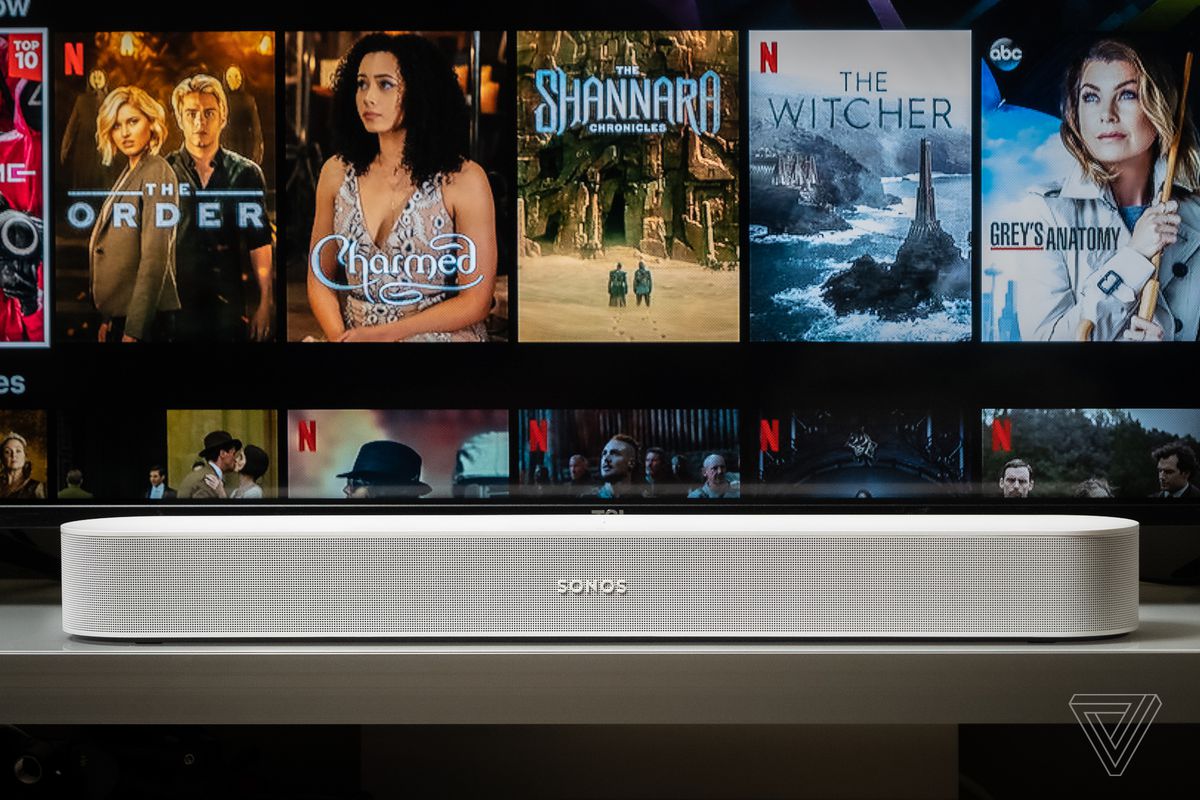
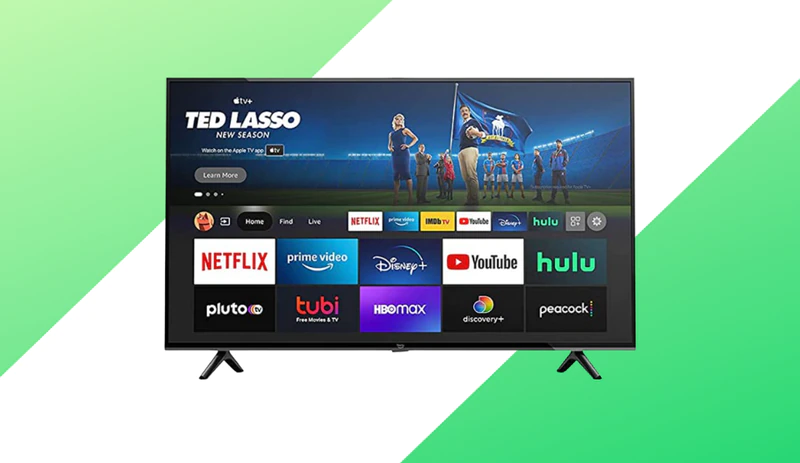
The 2010s marked the end of linear television dominance, as streaming platforms like Netflix, Hulu, and Disney+ ushered in the age of on-demand viewing. But the evolution didn’t stop at convenience — it became about personalization.
-
Algorithmic recommendation engines now analyze viewer habits, mood, time of day, and even weather patterns to suggest content.
-
Cloud-based distribution allows global releases and adaptive streaming that adjusts video quality based on bandwidth in real time.
-
The subscription vs. ad-supported hybrid model has created micro-economies within television, reshaping advertising and audience segmentation.
The Rise of FAST Channels
Free Ad-Supported Television (FAST) channels have surged as a middle ground between cable and streaming. They offer curated, linear-like experiences but are powered by AI-driven ad placements and real-time analytics. FAST channels like Pluto TV and Tubi are proof that the future of TV is both algorithmic and free, supported by precision-targeted advertising rather than bulky cable packages.
Artificial Intelligence: The Silent Producer Behind the Screen
AI in Scriptwriting and Production
Television storytelling has entered an era where AI tools assist in script development, editing, and production design.
-
Scriptwriting AI analyzes audience sentiment and genre trends to predict story arcs that will resonate.
-
Virtual production environments, powered by AI and real-time rendering engines like Unreal Engine, allow directors to shoot in photorealistic digital worlds.
-
Predictive analytics can determine which pilot episodes have the highest potential for renewal before airing.
These technologies not only reduce costs but also accelerate creativity, enabling studios to produce high-quality content with global appeal faster than ever before.
AI-Powered Personalization
AI doesn’t just shape what’s made — it defines how audiences experience it. Smart TVs now track user preferences, adjust picture settings based on scene brightness, and even offer voice-based AI recommendations. Streaming platforms employ machine learning models that continuously evolve with every click, pause, or skip.
The outcome? A personalized television experience that adapts uniquely to each household — essentially, no two viewers ever share the same lineup or recommendations.
Interactive Television: Merging Storytelling and Participation
The Rise of Choice-Based Narratives
The success of Netflix’s Black Mirror: Bandersnatch demonstrated the power of interactive storytelling. This format allows viewers to make real-time decisions that affect the storyline. Interactive TV isn’t just a novelty — it’s an engagement revolution. Viewers no longer sit back; they participate in shaping the narrative.
This form of entertainment leverages branching algorithms, which dynamically adapt scripts and outcomes based on viewer input. For content creators, this means writing and producing multiple parallel storylines — all powered by sophisticated AI-driven decision trees.
Second-Screen Experiences and Real-Time Engagement
Television is no longer confined to one screen. With second-screen experiences, audiences can use smartphones or tablets to access bonus content, behind-the-scenes footage, and live polls. Sports broadcasts, for instance, integrate real-time statistics and fan predictions.
For advertisers, this opens up a new dimension of interactive advertising, where product placements can become clickable, shoppable experiences in real time.
The Integration of AR and VR in Broadcasting
Augmented Reality Enhancing Live TV
AR technology is revolutionizing live events, news, and sports. Broadcasters now overlay 3D graphics, virtual player stats, and immersive visualizations directly into live feeds. Sports networks use AR to provide 360-degree replays, interactive scoreboards, and virtual fan zones that transform the viewing experience.
Virtual Reality and the Future of Immersive Television
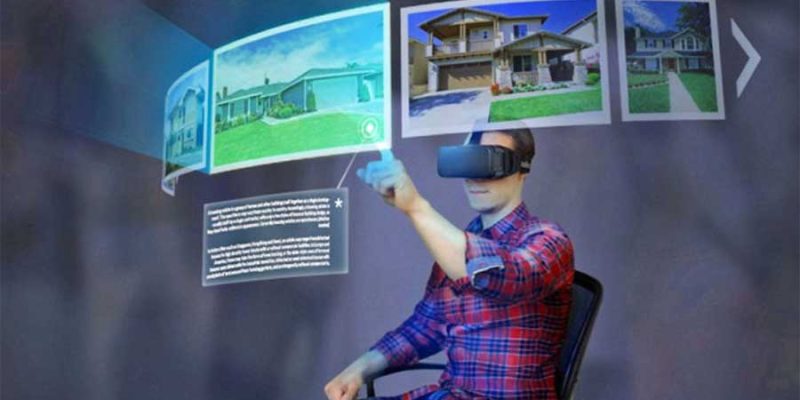
Virtual reality takes this even further. Imagine watching a concert where you can choose your vantage point, walk virtually around the stage, or even sit in the middle of a live audience. Companies like Meta and Apple are developing VR-integrated streaming platforms designed for their headsets, where viewers can experience television as if they were physically present inside the story.
These innovations hint at the next big frontier — immersive storytelling, where traditional screens give way to fully spatial, participatory environments.
The Data Economy of Television
Predictive Audience Analytics
Television networks no longer rely solely on Nielsen ratings. Instead, they harness big data analytics to forecast viewing trends and measure engagement at granular levels.
-
Real-time performance dashboards help networks adjust scheduling dynamically.
-
Sentiment analysis tools measure public reaction across social media platforms.
-
Predictive AI models can forecast which shows are likely to go viral or trend globally.
Privacy and Ethical Considerations
While data-driven television enhances personalization, it also raises critical questions about privacy and algorithmic bias. Smart TVs and streaming services collect vast amounts of behavioral data, often without transparent consent mechanisms. The future of television must balance innovation with ethical responsibility, ensuring that personalization doesn’t come at the expense of viewer autonomy or data security.
The Convergence of Television and Gaming
The television industry is increasingly borrowing elements from the gaming world — gamification, interactive UI, and even cloud-based gaming integration. Platforms like Netflix are already experimenting with interactive gaming experiences directly within their apps.
This merging of media types blurs the lines between passive viewing and active engagement, creating a new form of hybrid entertainment that rewards participation, decision-making, and even competition.
The Road Ahead: Hyper-Personalized, Immersive, and Intelligent Television
The next generation of television will be defined by hyper-personalization, cross-platform interactivity, and real-time adaptability. As AI continues to learn from user behavior, and as AR/VR technologies mature, the concept of “watching TV” will evolve into something far more immersive and individualized.
Television will not just entertain — it will respond, adapt, and evolve with every viewer interaction. The future isn’t about bigger screens or sharper resolutions; it’s about intelligence, immersion, and emotional connection.
FAQs
1. How is AI changing television content creation?
AI helps in scriptwriting, post-production, audience analysis, and predictive success modeling, allowing networks to make data-backed creative decisions.
2. What are FAST channels, and why are they gaining popularity?
FAST (Free Ad-Supported Television) channels provide curated, linear viewing experiences supported by targeted ads, combining the familiarity of traditional TV with streaming convenience.
3. Can interactive television replace traditional storytelling?
Not entirely, but it adds new layers of engagement. Interactive TV enhances narrative depth by allowing audiences to make story decisions.
4. What role will AR and VR play in future broadcasting?
They’ll make viewing immersive — from 360° sports experiences to virtual concerts where users can choose camera angles or interact with virtual elements.
5. How do streaming algorithms personalize content?
Streaming platforms analyze watch history, behavior, time of day, and even regional preferences to deliver tailored recommendations for each user.
6. Is data collection by smart TVs a privacy concern?
Yes, it’s one of the growing challenges. Viewers should ensure transparency by checking privacy settings and permissions regularly.
7. What does the future of television look like in the next decade?
Television will be AI-driven, interactive, immersive, and multi-platform, blending storytelling with gaming, augmented experiences, and personalized engagement on a global scale.