 By
By Microgrid Lab: Explore The Future Of Smart Energy Learning In Universities
Colleges are full of innovative ideas and micro grid laboratories are attracting a lot of attention. These small-scale power systems, which include photovoltaic panel systems, energy storage systems and advanced control systems, enable students to intensively practice the principles of sustainable energy. With the planet heating up and old power grids creaking, these labs are like workshops where tomorrow’s energy fixes are born. They’re not just keeping lights on—they’re teaching students to rethink how we power our lives. This piece breaks down what microgrid labs do, why campuses love them, and how they’re shaping a new breed of energy experts.
What Is a Microgrid Lab?
The microgrid lab is an example of a miniature power grid that can be operated independently or collaboratively with the main grid. It includes solar panels which collect sunlight, batteries that store excess energy and maybe a small wind turbine or generator as an emergency. The real magic is the software running the show—it decides when to tap batteries, lean on renewables, or cut costs when power prices jump. It’s like a brain that keeps everything humming, even if a storm knocks out the grid.
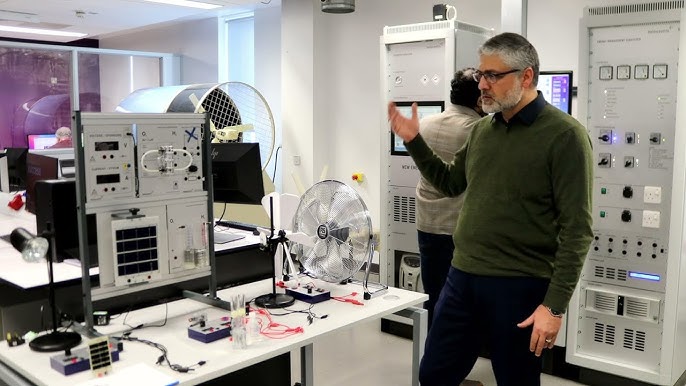
For students, these labs are a playground. They can tinker with real gear—switches, meters, the works—and see what happens when a cloud dims the solar panels or a lab needs a sudden power boost. It’s a safe spot to mess around with big questions, like how to mix green energy into the grid or keep things steady when demand spikes.
Why Are Universities Building In Microgrid Labs?
Running a campus is tough, with labs, dorms, and classrooms eating up power. Microgrid labs step up when things get dicey—like when a storm blacks out the city. They can keep key spots, like a research lab with years of work at stake, powered up. That’s a lifesaver, plain and simple.
Money’s a big perk too. These setups can dodge high utility bills by using cheap solar or batteries during pricey hours. Some Universities even make a buck selling extra power or joining programs where utilities pay them to ease up during peak times. With solar panels and batteries costing way less than they did ten years ago, the math checks out.
Then there’s the planet. Students want Universities that give a darn about the environment—over half say green vibes sway their college picks, according to recent surveys. Microgrid labs help campuses cut emissions with clean energy, getting them closer to big goals like going carbon-neutral. Plus, they’re a badge of honor, showing everyone the University’s seriousness about tackling climate challenges.
Enhancing Smart Energy Education Through Hands-On Learning
Microgrid labs are turning energy classes upside down. Forget slogging through textbook charts—students get to mess with real systems, tweaking controls to fend off a fake blackout or balance a power surge. It’s learning that sticks, making tricky stuff like grid stability feel real.
These labs also mix things up, bringing engineers, policy nerds, and eco majors together to crack problems that feel like the real world. With the energy sector set to boom—think millions of jobs by 2030—these skills are pure gold. Students walk away ready to tackle big stuff, like slashing emissions or making grids tough enough to handle anything.
The Future of Microgrid Technology in Universities
The future’s wide open for these labs. New tech, like better batteries or even hydrogen systems, is making them sharper. Some campuses might team up with nearby towns to build shared grids that shrug off storms. Yeah, the upfront cost can sting, but grants and partnerships are making it easier to swing.
Conclusion
In the end, microgrid labs are more than tech—they’re a spark for change. By letting students tinker and think big, they’re building a crew ready to light up the world.
For students, these labs are a springboard. They’ll help Universities hit bold climate targets while training folks to solve gritty problems, like keeping grids safe from hackers or fixing old systems. As more campuses jump in, microgrid labs will keep pushing the needle, turning universities into hubs for smart, clean energy.