 By
By Tech-Driven Gyms in Singapore: How Innovation Shapes Fitness
Why technology matters in modern fitness
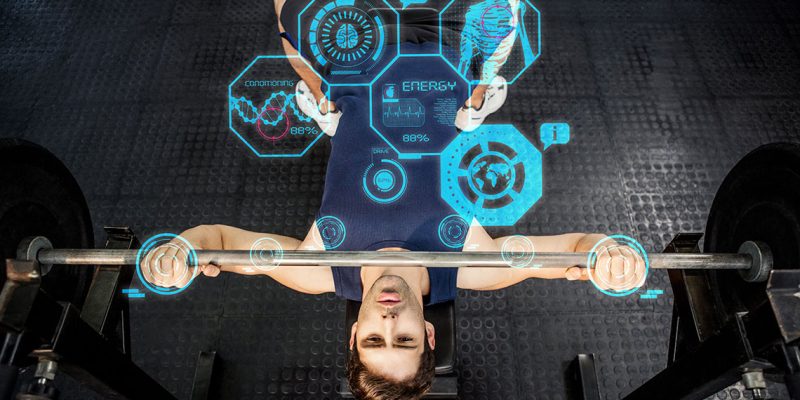
In today’s fast-paced lifestyle, people want more than access to equipment. They want results measured, progress tracked, and training that adapts to their personal needs. This is where technology steps in. Across Singapore, fitness centres are integrating digital solutions that transform how members train, recover, and stay accountable. From wearables and apps to smart machines and virtual coaching, a gym singapore membership today often includes far more than just treadmills and weights.
The evolution of tech in Singapore gyms
Ten years ago, technology in gyms meant basic cardio consoles and music systems. Today, innovation is woven into every stage of the member journey. From digital onboarding to AI-driven programming, gyms now use tech to simplify processes, personalise experiences, and improve outcomes. This shift reflects a broader cultural embrace of digital convenience in Singapore, where mobile payments, telemedicine, and smart homes are already part of daily life.
Key drivers of tech adoption
-
Demand for measurable results with clear progress markers
-
Increasing availability of affordable wearables and smart devices
-
Lifestyle patterns that favour mobile convenience and flexibility
-
Hybrid work schedules requiring digital access alongside physical visits
Wearables and personalised tracking
Wearables have become standard in fitness routines, but Singapore gyms are finding smarter ways to integrate them. Devices track heart rate, calories, and sleep, while gym apps sync data for personalised training adjustments. The ability to visualise progress keeps motivation high and allows coaches to make informed decisions.
Practical uses of wearables in gyms
-
Heart rate monitoring during group classes to optimise intensity zones
-
Step count and calorie tracking linked to company wellness challenges
-
Sleep and recovery data used for adjusting load in strength programmes
-
Alerts for overtraining to protect members from injury
Smart equipment: machines that guide you
Tech-driven gyms are replacing static machines with smart resistance equipment. These machines adjust load automatically, count reps, and guide tempo. Members receive real-time feedback on form and performance. For beginners, this reduces intimidation, while advanced members enjoy the precision.
Benefits of smart resistance training
-
Auto adjustments prevent improper weight selection
-
Digital screens provide rep-by-rep coaching cues
-
Data collection tracks improvements in strength and endurance
-
Cloud-based storage allows you to continue progress across locations
Apps and hybrid platforms
With hybrid working now common in Singapore, gym apps have become essential. Apps allow members to book classes, view progress, and even join virtual workouts. Hybrid platforms combine in-person training with digital access, ensuring no disruption when travelling or working from home.
Features members value most
-
Easy class booking and cancellations without phone calls
-
On-demand video workouts for travel or home use
-
Progress dashboards that show streaks, attendance, and results
-
Push notifications for reminders and motivational nudges
AI and data-driven coaching
Artificial intelligence is finding its way into fitness coaching. Gyms now use AI to design customised training plans that adapt weekly based on member performance. These plans recommend loads, rep ranges, and recovery strategies without replacing human coaches. Instead, AI provides a structured framework while coaches add the personal touch.
Examples of AI in gyms
-
Algorithms that adjust squat or bench targets based on last session performance
-
Nutrition tracking that adapts daily calorie goals based on activity levels
-
Injury risk alerts when movement data indicates fatigue or imbalance
-
Predictive analytics to suggest deload weeks before plateaus set in
Virtual reality and immersive fitness
Virtual reality (VR) is making classes more engaging by turning workouts into interactive experiences. Imagine cycling through virtual landscapes or boxing against simulated opponents. While still emerging, VR fitness has begun appearing in forward-looking gyms across Singapore.
Advantages of immersive training
-
Makes repetitive cardio sessions more enjoyable
-
Provides visual cues for posture and movement accuracy
-
Engages younger members familiar with gaming culture
-
Offers variety that reduces boredom and dropout rates
Digital community building
Technology is not just about machines, it is about people. Gyms use online groups, challenge dashboards, and social features in apps to create digital communities. Members can share progress, celebrate milestones, and even compete in friendly leaderboards. This sense of community keeps people engaged outside the gym floor.
Popular digital community features
-
Step or calorie burn challenges with visible team scores
-
Virtual shoutouts for personal records
-
Online forums for nutrition tips, mobility routines, and recovery hacks
-
Integration with corporate wellness dashboards for team challenges
Recovery technology
Tech-driven gyms also recognise recovery as essential. From cryotherapy chambers to percussion devices and compression boots, technology helps members recover faster and train consistently. Digital recovery tracking ensures members know when to push and when to rest.
Recovery tools in practice
-
Percussion massage devices for muscle soreness relief
-
Compression boots to improve circulation post-training
-
Cold therapy systems for inflammation management
-
Recovery apps tracking sleep quality and readiness scores
Data privacy and member confidence
With all the data collected by wearables, apps, and smart equipment, privacy is a top concern. Singapore gyms comply with the Personal Data Protection Act (PDPA) to ensure member data is secured. Members can typically opt in for data sharing, giving control over what is recorded and used.
Balancing tech with human coaching
While technology enhances fitness, it cannot replace human empathy and guidance. Members often thrive when data and digital support are balanced with real coaching. A trainer can interpret numbers, provide encouragement, and adjust for factors algorithms cannot predict, such as stress or motivation levels.
The future of tech-driven gyms in Singapore
The next wave of innovation will likely include biometric scanning for posture correction, gamified workouts linked to corporate wellness, and fully personalised recovery dashboards. Members will expect gyms to be as smart as their homes and offices, providing seamless experiences online and offline. If you are interested in how these innovations are already being implemented, looking at True Fitness Singapore gives a clear example of how technology and human coaching are being combined effectively.
FAQs
Q. How do I know if a gym’s tech features are useful or just gimmicks?
A. Useful features directly support training outcomes, such as form tracking, load adjustments, or recovery feedback. Gimmicks often entertain but do not improve progress. Ask how each feature connects to measurable results.
Q. Do I need wearables to benefit from a tech-driven gym?
A. Not necessarily. Many gyms provide smart equipment and in-app tracking without requiring wearables. However, wearables can enhance personal accountability and provide additional insights.
Q. Can older adults adapt to tech-based training environments?
A. Yes, provided the technology is user friendly. Many smart machines simplify resistance selection and provide clear guidance. Coaches also help members navigate apps and tools.
Q. How safe is my personal data with gym apps?
A. Reputable gyms comply with PDPA regulations. Data is anonymised when used for reporting and never shared without consent. Always read the privacy policy before signing up.
Q. What happens if I travel often and cannot attend physical classes?
A. Hybrid platforms allow you to continue training virtually. Many apps provide recorded sessions, live streams, and progress tracking so you can stay consistent wherever you are.
Q. Does technology make training less personal?
A. It can if overused, but in well-managed gyms, tech is a support system. Coaches interpret the data and adjust programmes, ensuring members feel guided rather than replaced.
Q. What is the next big tech trend for gyms in Singapore?
A. Expect more gamified training and integration with health apps, alongside biometric feedback systems that assess posture, fatigue, and recovery readiness in real time. This will make fitness even more personalised and efficient.